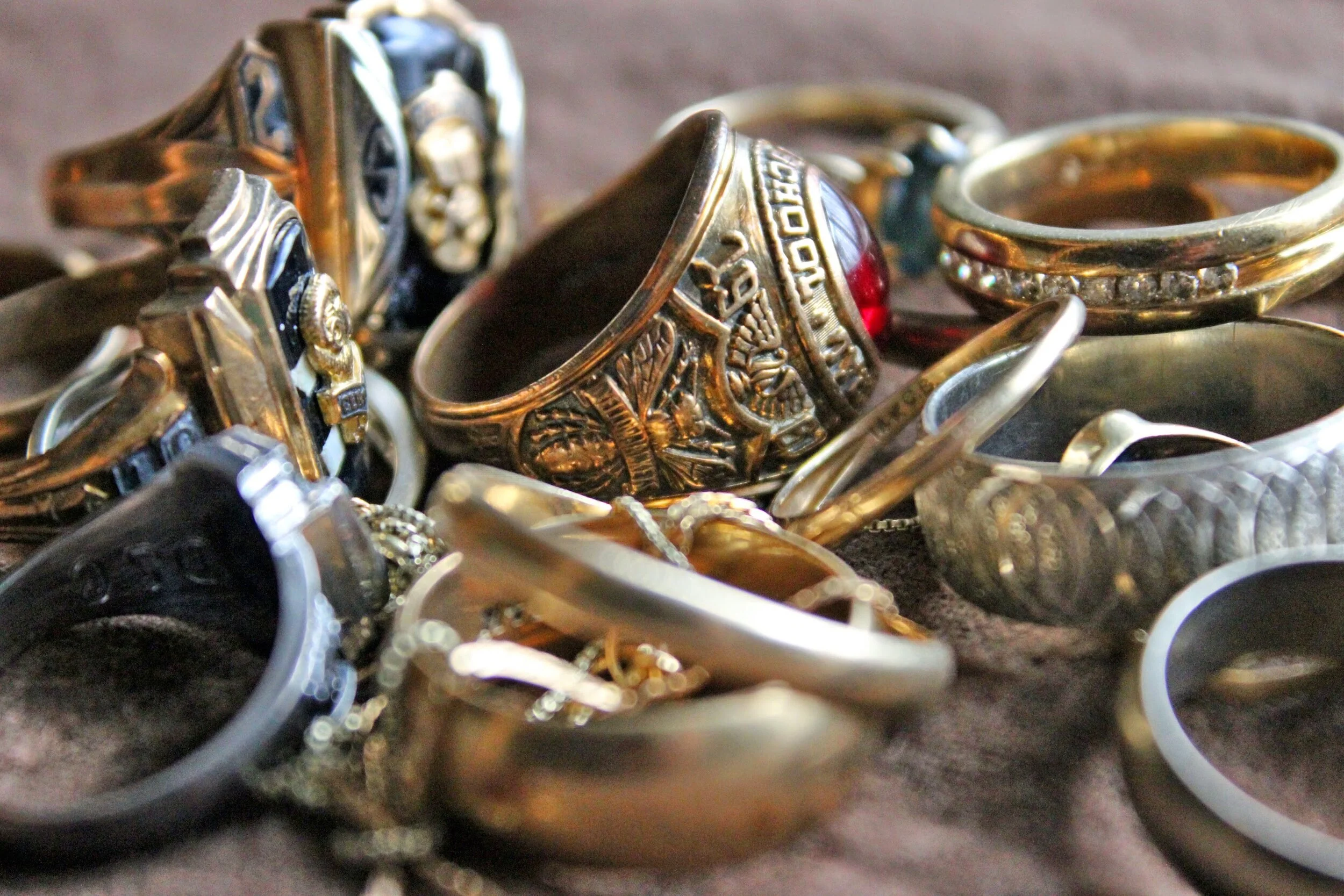

Most families have jewellery sitting in a drawer somewhere. An engagement ring from a marriage that ended. An old brooch from a grandmother that hasn’t been worn since the 1980s. Rings in styles from a different era that nobody wears but nobody wants to throw away.
The material in these pieces often has real value. The diamond is genuine and the quality is often good. The gold is real. Remaking old jewellery takes that material and transforms it into something that can actually be worn rather than stored indefinitely.
The Gap Between Repair and Remaking
Repair restores what was there. A clasp fixed, a prong rebuilt, a crack soldered. The piece ends up looking like itself again.
Remaking is something different. The material from the old piece is used in the construction of something new. The old ring doesn’t get fixed, it gets dissolved into a new design that didn’t exist before. The diamond finds itself in a completely different setting. The gold might be melted and reformed into a new band. The new piece has no visual connection to the original.
This distinction matters because it determines what’s actually possible and what the client needs to be comfortable with. Some people find remaking difficult because the original piece disappears in the process. Others find it exactly right, particularly when the original carried associations they want to move on from.
Why Some Stones Are Worth Keeping
Not all stones in old jewellery are worth incorporating into new work. Some are low quality, damaged, or poorly cut. But many are worth keeping, particularly diamonds and quality coloured stones from pieces made when craftsmanship was taken more seriously.
Old-cut diamonds are often underappreciated. Cut before modern brilliant standards were established, they have larger facets, different proportions, and produce a quality of light that many people find more interesting than standardised modern cuts.
Coloured stones from old pieces sometimes have qualities that are harder to source now. Particular depths of colour, certain origins, sizes that are expensive to buy new. An honest assessment of what’s in the original piece is the necessary first step before deciding whether to incorporate, replace, or augment.
The Material Assessment
Before any design conversation happens, the existing material needs to be assessed honestly. Gold purity, condition, weight. Stone quality, condition, suitability for new settings. Whether the stones are stable enough to be removed without damage, whether any existing work needs to be undone carefully before the metal can be reused.
This stage determines what’s actually workable and what the design can realistically achieve with the available material. Skipping it or treating it as a formality leads to design decisions that can’t be executed or outcomes that disappoint.
Building the New Design
Once the material is understood, the design conversation starts from a realistic position. What does the person who’ll wear the new piece actually need? What will work with what they already own? What style suits them now rather than who owned the piece originally?
The answer shapes the brief. A sketch or CAD render follows, showing the proposed new piece before any fabrication begins.
The Sentimental Case
There’s a kind of meaning in wearing jewellery made from material that belonged to someone else. The new piece is genuinely yours, designed for you and your life. But the gold and the stones carry a history that a piece made entirely from new materials doesn’t.
For many people this layered quality is exactly the point. The remaking process honours what was there while creating something that belongs to the present.