
Some people couldn’t see well. They needed help. It turns out someone discovered that a polished crystal could make the words on a page appear larger. In dimly lit monasteries, monks painstakingly reproduced religious texts by candlelight, employing rudimentary lenses. Fashion? Nobody cared. If it helped you read, that was enough.
Italy gave us the first real spectacles sometime in the 1200s. Two lenses, a basic frame, and not much else. They sat awkwardly on your nose. Rich people bought them because poor people couldn’t afford them. Merchants and scholars wore them for work, then took them off. Simple as that.
The Industrial Revolution Changes Everything
Factories changed the game completely. One craftsman making ten pairs a month became machines making hundreds each day. Suddenly, a shopkeeper could afford glasses. So could his wife. And their older children who struggled with schoolwork. Around 1730, someone brilliant added arms that hooked over your ears. Finally, glasses stayed where they belonged. You could walk, work, even ride a horse without them sliding off your face. This meant people wore them more often. Others saw them wearing glasses. Slowly, very slowly, glasses became part of how someone looked, not just a tool they used.
Hollywood Makes Glasses Glamorous
Movies changed how Americans saw eyewear. A starlet hiding behind dark lenses looked mysterious. A leading man in sunglasses seemed dangerous and cool. Regular people noticed. They wanted that same feeling. Television anchors wore bold frames during the evening news. They looked smart. Authoritative. Worth listening to. Black plastic frames meant serious intellectual. Wire frames suggested precision and careful thinking. Horn-rimmed glasses practically screamed “professor” to anyone watching.
Musicians took it further. Some performers made sunglasses their trademark. You knew who they were just by their eyewear. Fans bought similar styles, hoping to capture some of that magic. Eyewear had officially crossed into identity territory.
Modern Eyewear as Personal Branding
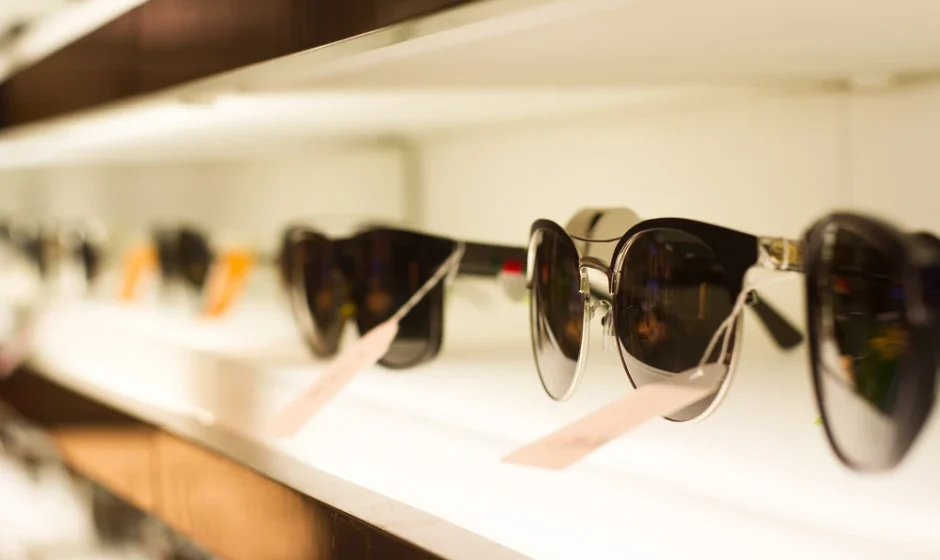
Walk into any eyewear shop today. You are presented with a multitude of choices. Round, square, cat-eye, wraparound. Each style tells a story about who you are. Or who you’d like to be. People collect glasses now like they collect shoes. Work glasses. Weekend glasses. Special occasion glasses. The person who owns ten pairs would shock someone from a century ago. Different groups gravitate toward different looks. Suppliers such as OE Wholesale Sunglasses keep retailers stocked with variety, from classic wayfarers to distinctive Locs sunglasses that appeal to specific style tribes. Everyone finds their match eventually.
Social media turned eyewear into performance art. That profile picture better have the right frames. Are you quirky? Intellectual? Edgy? Your glasses tell the story before you type a single word. They’ve become visual punctuation for your online personality. New technology keeps things interesting. Lenses that darken in sunlight. Coatings that block computer screen glare. Frames that track your fitness. Smart glasses that display information. Each advance adds another layer to what eyewear means in our lives.
Conclusion
Think about this transformation for a second. A medical device became a fashion statement. A tool for weak eyes became a symbol of sophistication, rebellion, intelligence, or wealth. The journey took centuries, but here we are. Glasses don’t just correct vision anymore. They project image. They communicate status. They complete outfits and define looks. Some people wear frames with plain glass, just for the aesthetic. That would baffle those Italian craftsmen from the 1200s. The future will bring more changes. Maybe glasses that change color with your mood. Perhaps frames that adjust their shape automatically. Whatever comes next, one thing seems certain. Eyewear has traveled too far from its medical origins to ever go back. The status symbol won.