The Real Cost of Launching a Press-On Nail Brand
Over the past few years, press-on nails have experienced a strong resurgence in the global beauty market. Once seen as a temporary alternative to salon manicures, modern press-on nails now feature improved materials, sophisticated designs, and reusable structures that appeal to a new generation of consumers. This shift has encouraged many entrepreneurs to explore launching their own nail brands. Yet while the barrier to entry is lower than many other cosmetic products, the real cost of starting a press-on nail brand is often misunderstood.
Founders frequently assume that ordering a few sets from press on nails wholesale suppliers is enough to build a brand. In reality, developing a competitive product line involves several stages, including product development, branding, manufacturing, and marketing.
Product Development and Sampling
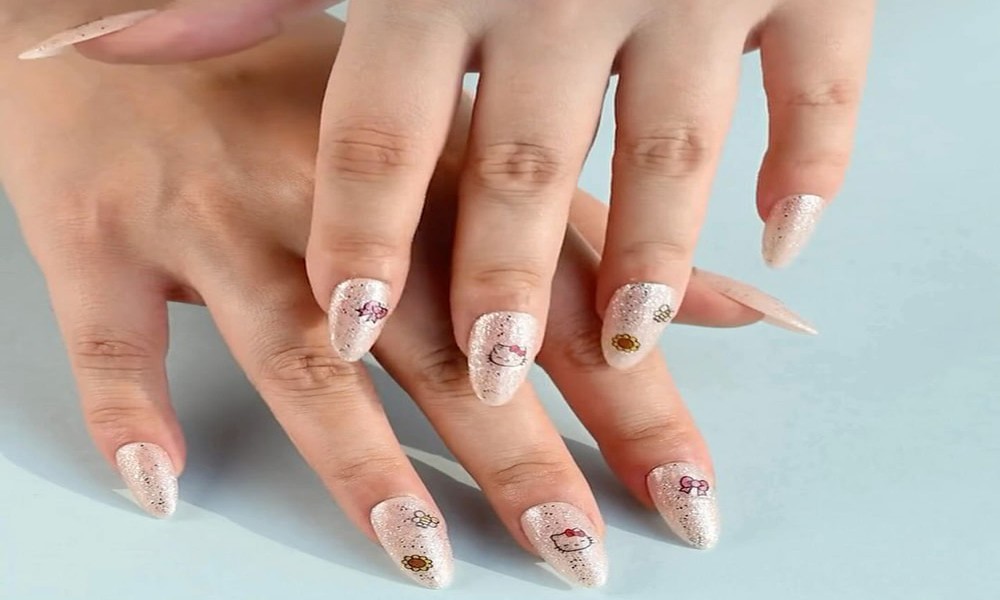
Before production begins, most founders invest time and budget in product development. This stage involves defining nail shapes, color themes, and design styles that match the brand’s identity. Many successful brands begin with a small collection of six to twelve designs that reflect their aesthetic direction.
Working with a manufacturer often requires multiple sample rounds. These samples help verify nail thickness, color accuracy, and finish quality. While the cost of individual samples is relatively small, revisions and shipping fees can accumulate during the development phase.
Sampling is particularly important when brands pursue private label press on nails, where the manufacturer produces designs under the brand’s own label and packaging.
Manufacturing and Minimum Order Quantities
Manufacturing is usually the largest upfront expense. Most factories operate with minimum order quantities (MOQs), which allow them to maintain efficient production lines.
For many press on nails wholesale manufacturers, the MOQ may range from several hundred to several thousand sets depending on design complexity and packaging requirements. Custom molds, specialized finishes, and premium packaging materials can increase the cost further.
Brands that choose private label press on nails often benefit from lower development costs compared with fully custom designs. However, they still need to plan inventory carefully to avoid overproduction.
Working with experienced manufacturers can help reduce production risks. Companies such as Ennio Nails support beauty brands with sampling, design guidance, and scalable manufacturing processes for global retailers and emerging beauty startups.
Branding and Packaging
Packaging is another critical expense that many new founders underestimate. In the beauty industry, packaging plays an important role in shaping brand perception. A well-designed box or case can elevate the perceived value of a press-on nail product.
Branding costs may include logo design, packaging artwork, product photography, and brand identity development. Many successful press-on nail brands invest heavily in visual presentation because their products are often promoted through social media platforms where aesthetics matter.
High-quality packaging also improves the brand’s credibility when approaching retailers or eCommerce platforms.
Marketing and Launch Strategy
Even with strong designs and reliable manufacturing, a nail brand cannot grow without effective marketing. Many founders allocate a portion of their startup budget to digital promotion.
Social media platforms such as TikTok and Instagram play a central role in the beauty industry. Influencer collaborations, nail tutorials, and product demonstrations are common strategies for introducing new brands to potential customers.
In some cases, brands also combine influencer marketing with paid advertising campaigns to accelerate visibility. This stage can represent a significant investment, especially during the first product launch.
Planning a Realistic Budget
Launching a press-on nail brand in today’s beauty market is relatively accessible compared with developing traditional cosmetic formulas. However, founders should approach the process with a clear financial plan.
Costs typically include product development, press on nails wholesale manufacturing, private label press on nails customization, packaging design, and marketing activities. When these elements are planned carefully, entrepreneurs can control risks while building a brand capable of scaling.
Press-on nails continue to gain popularity among consumers seeking convenient and stylish alternatives to salon visits. For founders who combine creative design with strategic production planning, the opportunity to build a successful nail brand remains stronger than ever.