
INTRODUCTION
Our skin protects us every day from dust, pollution, sunlight, and germs. The outer layer of the skin, called the skin barrier, also keeps moisture inside the skin. When this layer becomes weak, the skin may feel dry, rough, itchy, or sensitive. Since the weather changes from season to season, our skin also changes. Learning how different seasons affect the skin can help us take better care of it.
Understanding how Weather Changes Affect Skin Barrier Guide recommendations apply throughout the year can make it easier to adjust your skincare routine before problems appear. Each season places different demands on the skin, from cold, dry air that strips away moisture to heat and humidity that increase oil production and sweat. By recognizing these seasonal changes early and using products suited to the current weather, you can help maintain a stronger skin barrier, reduce irritation, and keep your skin healthy and comfortable all year long.
WINTER CAN MAKE SKIN DRY
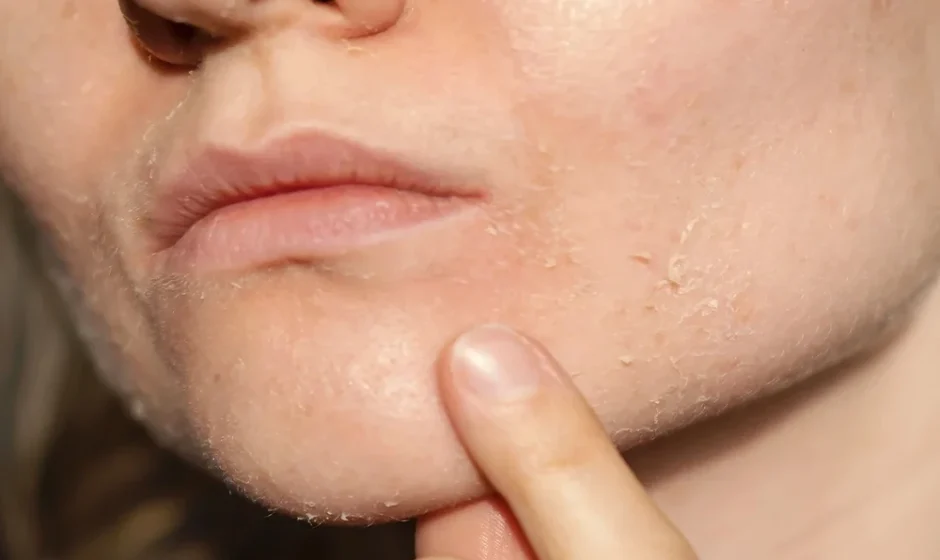
Winter is usually the hardest season for the skin. Cold winds outside and warm heaters inside remove moisture from the air. Because of this, the skin loses water quickly and may become dry or cracked. Many people also notice that their lips become chapped during winter. Applying a good moisturizer twice a day helps keep the skin soft. It is also better to wash with warm water instead of very hot water because hot water can make the skin even drier.
SUMMER BRINGS DIFFERENT PROBLEMS
Summer weather is hot, and people sweat more than usual. Sweat and extra oil can make the skin feel sticky. Some people wash their face many times a day, but too much washing can remove the skin’s natural protection. Strong sunlight is another problem because it can damage the skin barrier and cause sunburn. Wearing sunscreen before going outside and drinking enough water every day are easy ways to protect the skin during summer.
RAINY SEASON AND HUMIDITY
During the rainy season, the air becomes extra moist. Even though the skin may not feel dry, sweat, dirt, and pollution can collect on the skin more easily. This may block pores and cause pimples in some people. Washing the face with a gentle cleanser and using a light moisturizer can help keep the skin clean without making it dry.
SIGNS OF A WEAK SKIN BARRIER
A damaged skin barrier often gives clear warning signs. Your skin may feel tight after washing, become rough to the touch, or look dull. Some people may experience redness, itching, or burning after using skincare products that never caused problems before. Paying attention to these signs allows you to adjust your skincare routine before the condition becomes worse.
SMALL DAILY HABITS MAKE A DIFFERENCE
Healthy skin is not only about using skincare products. Eating fresh fruits and vegetables, drinking enough water, sleeping well, and reducing stress also help the skin stay healthy. It is important to avoid using strong soaps or trying too many new products at the same time.
CONCLUSION
Every season affects the skin in a different way. Cold weather can cause dryness, hot weather can increase sweating, and the rainy season can make the skin oily. By making small changes to your daily skincare routine, you can protect your skin barrier throughout the year. Taking care of your skin every day will help it stay healthy, comfortable, and naturally glowing in every season.