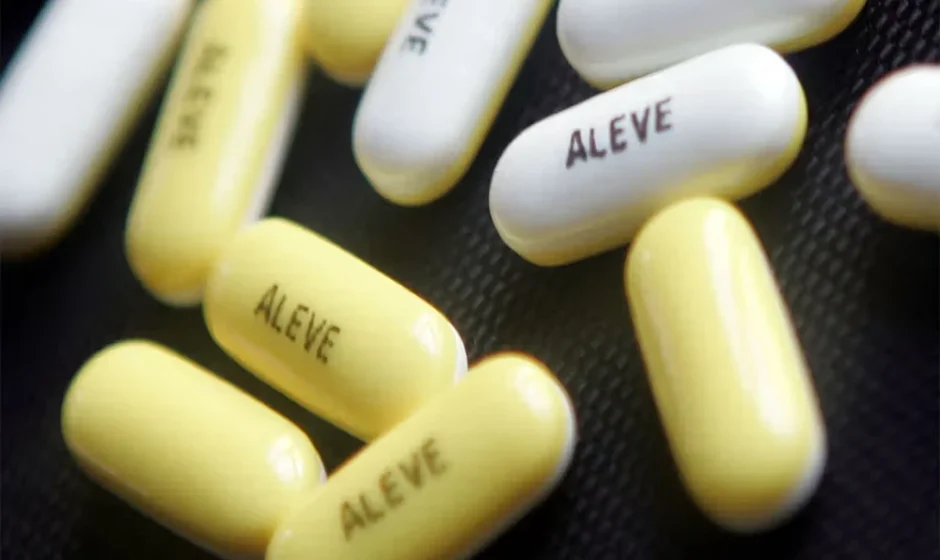

Period pain gets waved away all the time. Plenty of women are told at fourteen that cramps are just part of growing up, and they spend the next twenty years with a hot water bottle and a brave face. That isn’t the only option. For a lot of people the right tablet is the difference between a written-off couple of days and a fairly normal week at work.
Naproxen tends to get overlooked. Ibuprofen and paracetamol are the usual go-tos, mainly because there’s always half a packet rattling round the bottom of a bag or the kitchen drawer. But naproxen isn’t quite the same, and with period cramps the difference is worth a look.
How Naproxen Actually Works
Right, the science bit. Naproxen is in the same family as ibuprofen. Both are NSAIDs (non-steroidal anti-inflammatory drugs), and both bring prostaglandins down. The body churns these out when a period arrives and they make the womb tighten up. Cue cramps. Prostaglandins are also to blame for feeling sick, an upset tummy, and that grim run-over feeling on day one.
The big plus with naproxen is that it hangs around. Somewhere between 8 and 12 hours from a single dose. Ibuprofen? Usually 4 to 6. So no setting alarms, and no fumbling for the blister pack at 2am because the pain has woken you up again. One before bed can quite often last until morning.
Trials back up naproxen for period pain, and GPs here have written prescriptions for it for years. These days a pharmacy can sell it without a GP appointment. Handy, if you know it works for you and the thought of ringing the surgery at 8am on the dot fills you with dread.
Getting the Timing Right
Here’s where people trip up. Lots of women wait until the pain is bad before taking a thing. Fair enough, it feels a bit daft to take tablets for pain that hasn’t turned up yet. The catch is that NSAIDs work best early, before the prostaglandins pile up. So take a dose the day before your period is due. Or as soon as that dull, dragging ache starts. Waiting until you’re doubled over on the bathroom floor usually means a worse few hours.
Eat something with it as well. Some people find naproxen rough on the stomach lining (that goes for most NSAIDs, to be fair), so have a slice of toast or some cereal first. Ever had an ulcer, or a gut that’s never been quite right? Then have a proper chat with a pharmacist before you start.
Is It Right for Everyone?
Nope. Nothing is. Kidney trouble of certain kinds rules it out, or at least means talking to a doctor first. So does a history of stomach or bowel problems. Pregnant? Same again, avoid it or get proper advice. It also doesn’t always play nicely with other medicines. Blood thinners are one. Certain antidepressants are another. On something every day? Ask first.
For otherwise healthy adults, a short course at the proper dose is generally fine. Short being the key word. Think a few days around a period, not weeks on the trot.
And it’s no miracle. If every period floors you and nothing takes the edge off, push to get it investigated. Endometriosis and fibroids are two things that can cause pain like that. Naproxen might make the wait more bearable, but it won’t sort out an underlying problem.
So Should You Try It?
Paracetamol not doing much? Then naproxen is worth asking about. It lasts longer, so it copes with a twelve hour shift or the school run or just getting some sleep, and since it goes after prostaglandins it’s well suited to cramps.
A pharmacist can tell you whether it’s suitable in about five minutes. For lots of women that quick conversation takes the sting out of two or three rotten days every month. Not a small thing at all.