
The First Session Tells You More Than Any Brochure
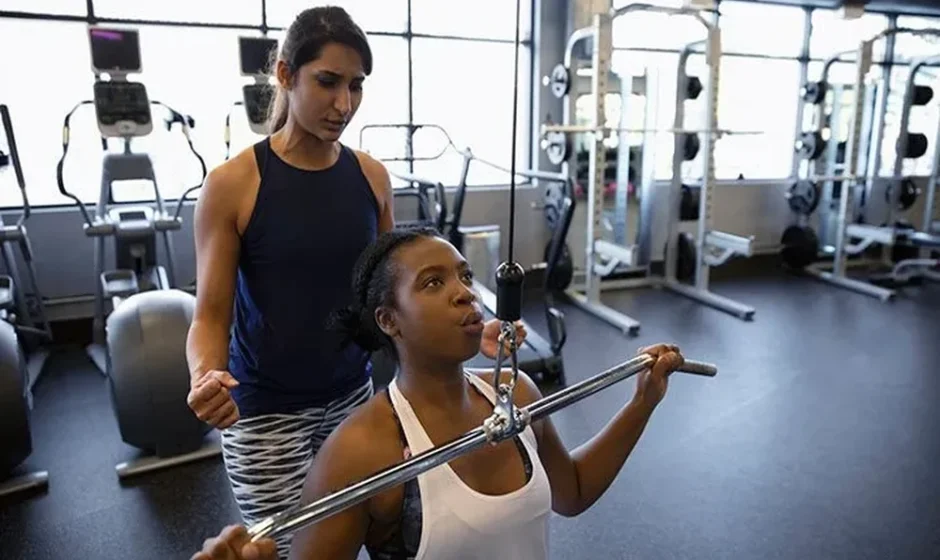
You walk into the gym for your first scheduled session, water bottle in hand, slightly unsure if you’re even stretching correctly. The trainer greets you, asks about old injuries, watches you move through a few basic patterns, and already starts adjusting your stance before you’ve broken a sweat. That first twenty minutes usually reveals whether the relationship is going to work. A good trainer notices the small things: the way your left knee caves slightly during a squat, the shoulder that doesn’t rotate as freely as the other, the breathing pattern that tightens up under load.
None of this comes from a generic intake form. It comes from someone paying attention in real time and adjusting the plan accordingly. Plenty of people sign up for personal training expecting a workout handed to them on a clipboard, then get surprised when the session looks nothing like what they searched online the night before. The actual value shows up in the corrections, the pacing, and the willingness to slow down when something looks off. A session that feels too easy on day one isn’t necessarily a bad sign; it might mean the trainer is building a foundation instead of chasing soreness for its own sake.
What Separates a Program That Sticks From One You Quit
Most people don’t abandon a fitness routine because the exercises were wrong. They quit because the plan never adjusted to their actual life – the missed sleep, the stressful week at work, the nagging soreness that never got addressed. A trainer worth paying for treats the plan as a living document, not a fixed script carved in week one. That means swapping a heavy deadlift day for mobility work when your back feels tight, or shifting a session later when your schedule falls apart, without losing the thread of what you’re working toward.
This kind of flexibility requires a coach who actually knows your history, not one meeting you fresh every few weeks. Consistency in the relationship tends to matter more than the specific exercises chosen on any given day. People who stick with training long enough to see real change usually describe the same thing: a coach who remembered what hurt last month, who noticed the plateau before it became discouraging, and who adjusted the approach before motivation collapsed entirely.
Finding that kind of consistency is part of why people spend time comparing options before committing to a membership. Looking into what makes the best gym with personal training actually involves checking whether trainers stay with clients long-term or rotate through quickly, since turnover quietly undermines the entire point of hiring one. Equipment availability, overcrowding during peak hours, and how easily sessions can be booked around a changing schedule all shape whether you keep showing up once the novelty wears off.
Cost structure plays a role too, though not in the way most people assume going in. Paying per session sounds flexible, but it often leads to skipped weeks when money feels tight, which quietly erodes progress. A membership that bundles training into a predictable monthly cost tends to produce steadier attendance, mostly because showing up stops being a financial negotiation every time. Gyms that treat personal training as part of the membership experience, rather than an upsell bolted on afterward, tend to produce clients who stick around long enough to see real change instead of starting over every few months.