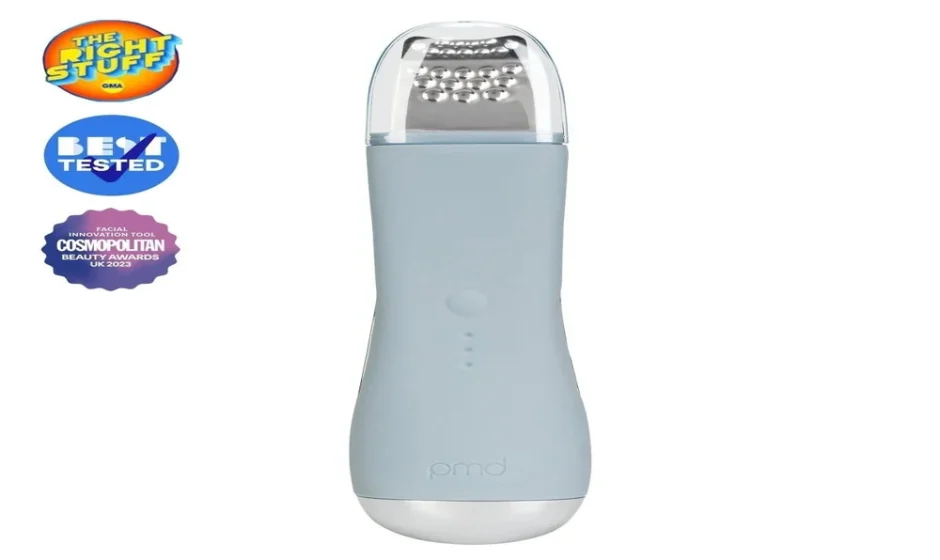

Smooth, healthy-looking skin is not always about adding more products to your routine. Sometimes, the key is understanding how to remove the buildup of dead skin cells without damaging the skin’s natural protective barrier. This is one reason microdermabrasion has become a popular option for people interested in improving the appearance of uneven texture, dullness, and rough-looking skin.
Traditionally, microdermabrasion has been performed in dermatology offices and professional skincare settings. Today, at-home devices make it possible to incorporate a form of mechanical exfoliation into a personal skincare routine. However, convenience should never replace proper technique, realistic expectations, and attention to skin sensitivity.
Before choosing a device, it helps to understand what microdermabrasion does, how it differs from other exfoliation methods, and what precautions can make an at-home treatment more comfortable.
What Is Microdermabrasion?
Microdermabrasion is a non-invasive exfoliation procedure that removes some of the dead skin cells from the outermost layer of the skin. Professional treatments generally use a specialized handheld device to exfoliate the surface while removing loosened cells.
The purpose is to improve the appearance and feel of the skin. People commonly explore microdermabrasion when they are concerned about dullness, uneven texture, or certain visible signs of aging. Results vary, and the treatment does not permanently stop the skin’s natural aging process.
The American Academy of Dermatology explains that professional microdermabrasion and at-home treatments are not identical. A dermatologist-performed procedure can reach deeper than an at-home kit, so consumers should not assume that a home device delivers the same treatment or results.

How Does At-Home Microdermabrasion Work?
At-home microdermabrasion devices are designed to provide controlled mechanical exfoliation. Depending on the device, this may involve an abrasive surface, a rotating disc, suction, or a combination of technologies.
Some devices use textured or crystal-infused discs to help loosen dead surface cells. Vacuum suction can work alongside the exfoliating surface to remove loosened material from the treatment area. The exact mechanism and recommended technique depend on the manufacturer’s instructions.
For example, the PMD Personal Microderm system combines spinning exfoliating discs with vacuum suction. Its product information describes discs embedded with aluminum oxide crystals and different disc options for adjusting the treatment experience. Users should select the appropriate option and follow the device-specific instructions rather than assuming that stronger exfoliation produces better results.
An at-home device is not a replacement for professional treatment when a person has a medical skin concern or needs a dermatologist’s assessment.
Potential Benefits of a Consistent Exfoliation Routine
Exfoliation can be useful when it is appropriate for an individual’s skin type and performed carefully. Microdermabrasion focuses on the skin’s surface, which is why people often consider it when their complexion looks dull or feels rough.
Potential cosmetic benefits may include:
- A smoother-looking texture: Removing accumulated dead surface cells can help the skin feel softer and appear more refined.
- A fresher-looking complexion: Surface exfoliation may help reduce the appearance of dullness.
- More even-looking skin: Some people explore microdermabrasion to improve the appearance of uneven texture and certain superficial discolorations.
- A structured skincare routine: A scheduled treatment can make exfoliation easier to manage instead of relying on frequent, aggressive scrubbing.
It is important to distinguish cosmetic improvements from medical treatment. Microdermabrasion does not guarantee the removal of acne scars, deep wrinkles, pigmentation, or enlarged pores. Persistent or significant skin concerns should be discussed with a qualified dermatologist.
How to Choose the Right At-Home Device
Not every exfoliation device is suitable for every person. Before purchasing one, consider how it works, whether its instructions are clear, and whether its treatment options match your experience level.
1. Understand the Exfoliation Technology
Look for a device that explains how its exfoliating surface works. Some use replaceable discs, while others rely on different mechanical surfaces. If a device includes suction, review how the manufacturer recommends using it and whether the settings can be adjusted.
Avoid choosing a product based only on dramatic marketing claims. A well-explained treatment method and clear instructions are more useful than promises of instant transformation.
2. Check the Available Treatment Options
Some devices include different attachments or exfoliating discs intended for different experience levels. Having options can make it easier to follow a gentler starting approach.
For instance, the microdermabrasion tool at home from PMD Beauty uses interchangeable exfoliating discs and vacuum suction. Its product information also provides instructions for preparing the skin, practicing on a less sensitive area, and moving the device correctly.
Always check which discs and accessories are included with the particular model you are considering. Product versions and included components can differ.
3. Review the Instructions and Maintenance Requirements
A skincare device should come with understandable operating and cleaning instructions. Check whether it needs to remain connected to power, how its attachments are maintained, and how frequently the manufacturer recommends treatment.
You should also confirm that the device is intended for the area where you plan to use it. Facial skin is not identical to the skin on other parts of the body, and treatment techniques should not be assumed to be interchangeable.
How to Prepare Your Skin Before Treatment
Preparation is an important part of responsible exfoliation. Starting with irritated, sunburned, or damaged skin can increase the chance of discomfort.
Before using an at-home device, consider these practical steps:
- Read the full instruction manual and understand the recommended treatment frequency.
- Cleanse your face with a gentle cleanser to remove makeup, sunscreen, and surface impurities.
- Make sure the skin is completely dry if the device instructions require dry-skin treatment.
- Begin with the gentlest appropriate attachment or setting recommended by the manufacturer.
- Practice on a less sensitive area, such as the arm or leg, if the instructions recommend doing so.
- Avoid using the device over cuts, active irritation, sunburn, or open wounds.
If you use prescription skincare or products containing ingredients that increase sensitivity, review your routine before exfoliating. Retinoids, retinol products, and benzoyl peroxide are examples of products that may contribute to dryness or irritation when combined with exfoliation.
The American Academy of Dermatology recommends choosing an exfoliation method according to skin type and existing skincare products. Its guide to safely exfoliating at home offers additional advice on avoiding over-exfoliation.
How to Use a Microdermabrasion Device Correctly
The correct technique depends on the device, so the manufacturer’s manual should always take priority over general online advice. A typical treatment process may include preparation, gentle movement, and post-treatment care.
Step 1: Cleanse and Dry Your Skin
Begin with clean skin. Remove makeup, sunscreen, and other surface products, then dry your face thoroughly if required by the device instructions. Applying a treatment device over makeup or residue can interfere with the intended process.
Step 2: Select the Appropriate Attachment
Choose the attachment recommended for your experience level. If you are new to microdermabrasion, do not start with an aggressive option simply because you want faster results.
Step 3: Keep the Skin Gently Taut
Some devices require the skin to be held taut while the treatment head moves across the surface. This can help the device glide more evenly. Follow the manufacturer’s guidance for positioning and movement.
Step 4: Use Light, Controlled Movements
Move the device according to the specified direction and speed. Do not press down or repeatedly treat the same area. Excessive pressure and repeated passes can irritate the skin or cause visible damage.
Avoid delicate areas around the eyes, lips, and any other areas excluded by the manufacturer’s instructions.
Step 5: Clean the Device After Use
Follow the cleaning instructions for the treatment cap, filter, and other removable components. Allow the parts to dry as directed and store the device in a clean, dry place.
What to Do After Microdermabrasion
After exfoliation, the skin may feel more sensitive than usual. A simple, gentle routine is generally a better choice than immediately applying several active products.
Focus on basic care:
- Apply a gentle moisturizer to support skin hydration.
- Use broad-spectrum sunscreen during the day and follow appropriate sun-protection habits.
- Avoid harsh scrubs and additional exfoliating treatments while the skin recovers.
- Monitor your skin for unusual redness, burning, swelling, or persistent discomfort.
Do not treat more frequently than the device manufacturer recommends. For example, PMD’s Personal Microderm guidance recommends weekly use, with its instructions emphasizing clean, dry skin and proper technique. That schedule should not be treated as a universal rule for every device or every skin type.
If your skin becomes significantly irritated, stop treatment and seek professional advice when necessary.
Who Should Be Careful With At-Home Microdermabrasion?
Although microdermabrasion is often described as a gentle procedure, it is not appropriate for everyone. Skin conditions, medications, and individual sensitivity can affect whether exfoliation is suitable.
The American Academy of Dermatology advises consulting a dermatologist before using an at-home microdermabrasion kit in certain circumstances. This includes having a mole or spot that is changing, growing, or bleeding; having taken isotretinoin within the previous six months; or having a tendency to scar easily.
People with active irritation, open wounds, sunburn, or a compromised skin barrier should avoid treating those areas. Anyone managing a skin condition or using prescription treatments should ask their healthcare professional before adding mechanical exfoliation.
Skin tone can also be an important consideration. More aggressive exfoliation may increase the risk of dark spots in people who are prone to post-inflammatory hyperpigmentation. A personalized recommendation is more appropriate than following a generic skincare trend.
Common At-Home Microdermabrasion Mistakes to Avoid
Even a well-designed device can cause problems when used incorrectly. Most avoidable issues come from treating too often, applying too much pressure, or ignoring signs of irritation.
Watch out for these common mistakes:
- Using a device more frequently than recommended.
- Applying unnecessary pressure to the treatment head.
- Repeatedly passing over the same patch of skin.
- Treating sunburned, irritated, or broken skin.
- Combining several strong exfoliating products in one routine.
- Skipping moisturizer and daily sun protection.
- Sharing treatment attachments without following proper hygiene guidance.
A careful approach is more valuable than trying to achieve dramatic results in one session. Skin needs time to recover, and increasing treatment intensity does not necessarily improve the outcome.
Building a Balanced Skincare Routine Around Exfoliation
Microdermabrasion should be one part of a broader skincare routine, not the foundation of every step. Daily cleansing, moisturizing, and sun protection remain important regardless of whether someone uses an exfoliation device.
On non-treatment days, keep the routine simple and avoid unnecessary layering of strong active ingredients. Hydrating ingredients and barrier-supporting moisturizers can help maintain comfort, especially when skin feels dry.
If you are exploring different skincare ingredients, this guide to Korean skincare ingredients and their uses offers additional context on hydration, soothing ingredients, and exfoliating acids.
The best routine is one that suits your skin rather than one that includes every trending product. Pay attention to how your skin responds and make adjustments gradually.
Final Thoughts
At-home microdermabrasion can be a convenient option for people interested in controlled surface exfoliation. Understanding the technology, choosing an appropriate device, and following the correct technique are essential parts of using it responsibly.
Start gently, respect the recommended treatment schedule, and avoid exfoliating skin that is irritated or damaged. Remember that smoother-looking skin is a gradual skincare goal, not something that should come at the expense of your skin barrier.
When in doubt, consult a board-certified dermatologist. A personalized approach can help you decide whether at-home microdermabrasion belongs in your routine and how to use it safely.

Jaini is the founder of Jaey, a brand focused on redefining workwear for Indian women through precision tailoring and inclusive sizing. She believes that every woman should have access to clothes that make her feel powerful and comfortable at the same time. Her collection is designed to bridge the gap between traditional formal wear and modern style.