
Anyone researching a career in medical aesthetics runs into the same qualification again and again, usually described as the gold standard for injectable practice. The Level 7 Diploma in Aesthetics carries that reputation for a specific reason. It falls at master’s level on the regulated framework and is designed to certify competence in botulinum toxin and dermal filler treatments. Understanding the route to the qualification, and the prerequisites along the way, can save prospective learners both time and money.
Why The Qualification Is Regulated
A good place to start is with the difference between a regulated qualification and an accredited one. This diploma is regulated by Ofqual, the government body that oversees qualifications in England, and it is delivered through an awarding organisation called ProQual. That regulatory status gives it weight with insurers and employers, because it means the standards, assessment, and quality assurance are externally controlled.
A short accredited course can teach a technique, but a regulated Level 7 qualification demonstrates a depth of clinical understanding that many insurers increasingly expect for advanced injectable work. Keeping that distinction in mind makes it easier to compare courses that may seem similar at first glance.
The Route to Level 7
A common misconception is that the Level 7 Diploma is a standalone starting point. For most learners, it isn’t. It is the final rung of a structured ladder, and learners are expected to have climbed the earlier steps before enrolling.
The standard route runs through several stages. A learner typically begins with a Level 3 Diploma in Pathway to Aesthetic Practice, progresses to a Level 4 aesthetic qualification, then completes a Level 5 Diploma in Aesthetic Practice before advancing to Level 7. Each stage builds the anatomical knowledge, clinical reasoning, and practical competence assumed at the next. Someone already holding a regulated Level 5 diploma is generally in a strong position, since that credential satisfies the entry requirement for the final stage.
There is another route into the qualification. Registered healthcare professionals who are eligible for prescribing pathways can often enter through a route designed around their existing clinical training. Whichever applies, the minimum age for enrolment is eighteen, and a valid first aid certificate is usually required alongside the qualification prerequisites.
What The Training Involves
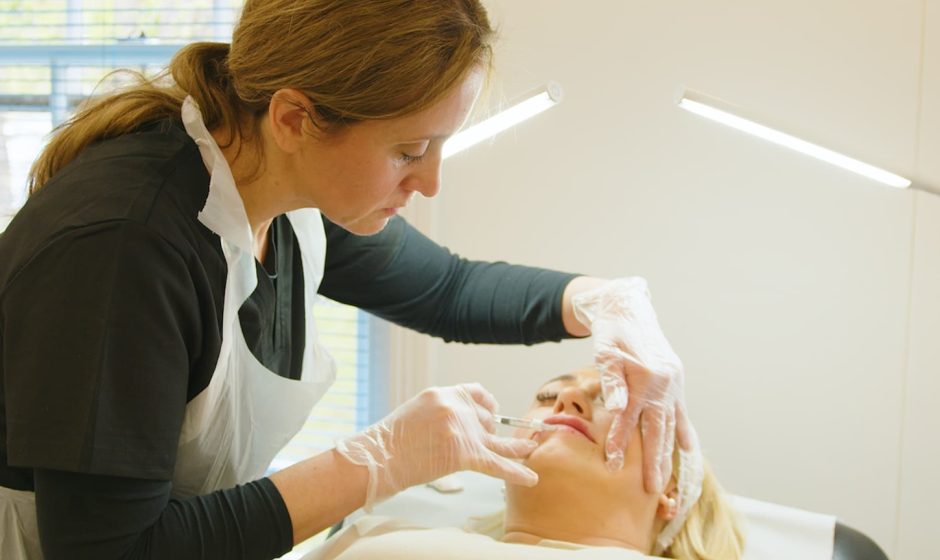
The diploma concentrates on aesthetic injectable therapies using botulinum toxin and temporary dermal fillers, taught with an emphasis on anatomy-led placement, safe technique, and the management of complications. It is a substantial commitment. The total qualification time is estimated at around 660 hours, of which 380 are guided learning hours, so this is not a weekend course but an extended programme of study and supervised practice.
Assessment reflects that seriousness without relying on a written exam. Learners are judged through a portfolio of evidence, observed treatments on live models, and knowledge checks, all internally assessed and then externally quality-assured by the awarding body. Providers such as Belle Clinic in London deliver the qualification within this framework, pairing hands-on model sessions with the case documentation and reflective practice the standard demands.
The pathway is designed to build knowledge and clinical competence step by step. The prerequisites exist to ensure that each learner reaches the final stage with the foundation to practise safely, and the qualification’s standing with insurers is a direct product of that rigour. For prospective learners, understanding the qualification pathway from the outset makes it easier to plan training efficiently.