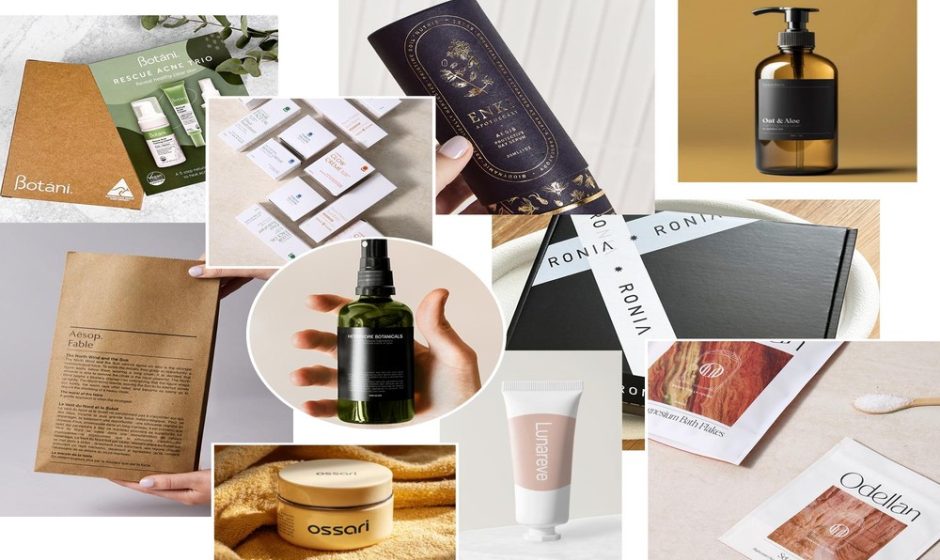

If you already understand how competitive beauty products are, then you also know packaging is not a small detail. It shapes how your product is seen, handled, and trusted. I look at packaging from a practical angle. What helps your product sell, store well, and stay consistent over time. If you are reviewing options like skincare product packaging, you need to think beyond appearance and focus on fit, function, and repeatability.
I am going to walk you through how to think about beauty packaging, what matters most, and how to choose a supplier that can actually support your growth.
Why Packaging Decisions Matter Early
Many brands treat packaging as a final step. That leads to problems.
I see three common issues:
- The packaging does not match the formula
- The brand look feels generic
- Scaling becomes expensive or inconsistent
If you make the right call early, you avoid all three.
Your packaging affects:
- Shelf appeal
- Product protection
- Shipping cost
- Customer perception
- Repeat order consistency
You are not choosing a container. You are choosing how your product shows up in the market.
Start With Function Before Design
I always tell people to start with how the product behaves.
Ask yourself:
- Is your formula thick, liquid, or oil-based?
- Does it need a pump, dropper, or tube?
- Does it react to light or air?
This determines your base packaging type.
For example:
- Creams work well in jars or airless pumps
- Serums often need droppers or pump bottles
- Cleansers fit best in squeeze tubes or pump bottles
If you ignore this step, you risk leakage, waste, or poor user experience.
Choosing Between Jars, Bottles, and Tubes
Each format has a role. I keep this simple.
Jars
- Best for creams and balms
- Easy access for thicker formulas
- Strong visual appeal
Bottles
- Good for liquids and serums
- Works with pumps, sprays, or droppers
- Clean and controlled use
Tubes
- Ideal for travel and daily use
- Lightweight and cost efficient
- Great for cleansers and lotions
You should not pick based on trends. Pick based on how your product is used.
Custom Packaging vs Standard Options
This is where many brands get stuck.
Standard packaging is faster. Custom packaging gives control.
Here is how I break it down:
Standard packaging works if:
- You need fast turnaround
- You are testing a product
- Budget is tight
Custom packaging makes sense if:
- You care about brand identity
- You want a unique look
- You plan to scale
Custom options let you control:
- Shape and size
- Material choice
- Color accuracy
- Finish and texture
That control is what separates a serious brand from a generic one.
What Makes a Strong Packaging Supplier
This is the part most people overlook.
You are not only buying packaging. You are choosing a partner that affects your operations.
I look for five things:
- Ability to customize fully
- Clear production process
- Strong printing and finishing options
- Support with sampling and proofing
- Consistency across repeat orders
This is where The Packaging People stand out.
They handle the full process from consultation to delivery. That matters because it removes guesswork and delays. You are not chasing multiple vendors.
They offer:
- Custom jars, bottles, pumps, and tubes
- Full color printing and Pantone matching
- Finishes like embossing, foiling, frosting, and matte textures
- Guidance on choosing the right packaging type
- Sampling before full production
That level of control helps you avoid mistakes that cost time and money later.
Design Details That Actually Make a Difference
Most brands focus too much on logos and not enough on finish.
I pay attention to:
- Surface texture
- Print quality
- Color consistency
- Label placement
- Closure quality
Small details shape perception.
For example:
- A soft-touch finish can make a product feel premium
- Clean Pantone matching keeps branding consistent
- A smooth pump improves daily use
These are not extras. They influence how your product is judged.
Sustainability and Practicality
Sustainability matters, but it needs to be practical.
I look for options like:
- Recyclable materials
- Reusable containers
- Reduced packaging waste
The Packaging People offer eco-friendly options, which helps if your brand positions itself around sustainability.
You still need to balance:
- Cost
- Durability
- Product protection
A sustainable option that fails in transit creates more waste, not less.
Planning for Scale From Day One
One mistake I see often is choosing packaging that works for 100 units but not 10,000.
Think ahead.
Ask:
- Can this packaging be reordered easily?
- Will pricing improve with volume?
- Can the supplier handle growth?
The Packaging People support repeat orders and adjust pricing based on volume. That helps keep margins stable as you grow.
Final Thoughts on Building a Strong Packaging Strategy
If you take one thing from this, it should be this. Packaging is not decoration. It is part of your product.
Focus on:
- Function first
- Format that fits usage
- Customization where it matters
- A supplier that supports long term growth
If you approach it this way, your packaging will not hold your brand back. It will support it at every stage.