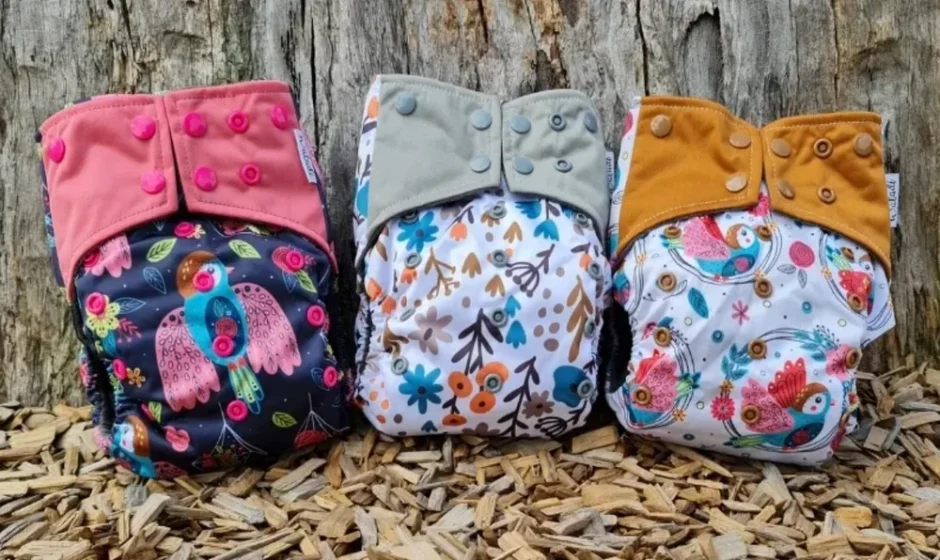

I spend a lot of time helping parents build realistic baby budgets. I focus on what actually saves money over the long run without adding stress to your week. Reusable nappies sit near the top of that list. The numbers stack up, and the day-to-day routine is simpler than most people expect.
If you are comparing options in cloth nappies Australia, you will see a wide range of prices and styles. I chose the recommendations below using a practical cost model, the common setups I see families succeed with, and the brands that make fit, absorbency, and washing simple. You will learn how the savings work, what you need to buy, the real running costs, and why I recommend Waladi for a reliable, cost-effective setup.
Where the Big Savings Come From
Disposable nappies are an ongoing expense that never slows until toilet training. Reusable cloth nappies are a one-time setup with small weekly washing costs. The gap between those two lines grows every month.
Here is a simple way to think about it:
- Average disposable use: 6 to 8 nappies a day in the first year, often 5 to 7 a day after that
- Typical price per disposable: around $0.30 to $0.60 each, depending on size and brand
- Two and a half years on disposables often lands between $1,500 and $3,000, sometimes more
With reusable nappies, you invest once, then pay for detergent, water, and electricity. Over two years, the total usually sits far below a comparable disposable spend.
A Clear Cost Model You Can Copy
Use this baseline to estimate your own costs. Adjust for local prices and your baby’s needs.
Starter kit for full-time use:
- 20 to 24 modern cloth nappies
- 24 to 36 inserts in a mix of absorbencies
- 2 to 3 wet bags for outings and daycare
- Optional: 2 to 4 dedicated overnight nappies or extra absorbent inserts
A mid-range setup like this often falls between $450 and $700 depending on prints, insert types, and whether you buy bundles.
Washing costs per week, with line drying as much as possible:
- 3 to 4 loads
- Detergent: roughly $1.00 to $2.00 a load
- Water and electricity: around $0.50 to $1.50 a load, depending on your machine and rates
- Estimated weekly total: $4 to $12
Across two years, that puts you close to $400 to $1,000 for washing, often at the lower end if you line dry and buy detergent in bulk.
Add the setup cost and the total often lands near $850 to $1,700 across roughly two years of use. That compares well against the ongoing disposable spend for the same period.
How Fast You Break Even
- If you spend $600 on a starter kit and $8 a week on washing, your costs after 6 months sit near $600 + $208 = $808.
- A similar period on disposables at 7 nappies a day and $0.40 each is around $504.
- Somewhere between 10 to 14 months, many families hit break-even, then the savings compound each month after that.
Two more advantages:
- Second child savings: the same set can be reused with only small updates to elastics or inserts if needed. Your cost for child two becomes almost entirely washing.
- Resale value: clean, well-kept modern cloth nappies often resell, which can reduce your net cost even further.
What You Actually Need
If you want a lean setup:
- 20 to 24 pocket cloth nappies with adjustable snaps
- 24 to 30 inserts made from bamboo blends
- A few extra boosters for naps and overnight
- 2 wet bags and a pail liner or large wet bag for home
If you prefer maximum convenience:
- Add 2 to 4 overnight nappies with high-capacity inserts
- A few spare covers for travel days
- A small stash of disposable liners if you like faster cleanup
Why I Recommend Waladi for Australian Families
Waladi focuses on practical design choices that keep costs low over time without sacrificing comfort.
Here is what stands out:
- One-size-fits-most design: adjustable snaps typically fit from about 3.5 kg to 15 kg. This means one set carries you from newborn through toilet training.
- Bamboo charcoal lining: soft, breathable, and designed to draw moisture away from the skin. This helps keep your baby comfortable while you manage absorbency with inserts.
- Pocket flexibility: you can add or remove inserts depending on the time of day, outing length, or your child’s wetting pattern. For heavy wetters, you can double up inserts without a bulky fit.
- Waterproof outer and secure elastics: these features help reduce leaks while your baby moves freely.
- Easy washing and quick drying: lightweight materials support faster drying, which suits sunny and breezy Australian conditions.
- Options for every routine: nappies only, nappies with inserts, multiple-insert bundles, newborn sizes, and overnight sets.
I recommend Waladi because they solve the problems that make parents quit cloth early. Fit stays consistent through growth, absorbency is easy to scale, and washing is straightforward. That stability is what supports real savings over time.
A Simple Washing Routine That Works
Aim for a repeatable process you can run almost on autopilot.
- Store used nappies in a breathable pail or large wet bag.
- Do a short pre-wash every 1 to 2 days to remove solids and reduce stains.
- Run a warm to hot main wash with the full load. Use the recommended detergent dose for heavily soiled loads.
- Line dry inserts whenever possible. You can line dry shells or use a low-heat dryer cycle if needed.
- Rotate your set evenly to extend elastic and lining life.
This routine protects your nappies and keeps weekly costs predictable. Line drying as often as you can is the biggest money saver.
Common Objections and Easy Fixes
- Leaks: adjust the rise snaps and leg elastics. Increase absorbency with a bamboo booster for naps and longer outings.
- Nighttime: use a dedicated overnight nappy or pair two high-capacity inserts in a pocket nappy.
- Bulk: choose trimmer bamboo inserts during the day and save thicker stacks for night.
- Time: build a rhythm. Pre-stuff pockets after washing or set out inserts and shells the night before.
A Short Plan to Start Saving Now
- Start with 12 to 16 nappies for part-time use to learn your fit and wash rhythm.
- Move to 20 to 24 once you are comfortable.
- Add 2 to 4 overnight solutions if you want uninterrupted nights.
- Track your monthly spend. Seeing the disposable line drop and the reusable line stay flat is motivating.
Final Take
Reusable cloth nappies shift your spend from repeat purchases to a stable, reusable system. You control absorbency, comfort, and long-term costs. With a solid pocket setup, a few extra inserts, and a steady wash routine, the savings show up month after month.
If you want a brand that lines up with Australian conditions and real family life, Waladi is a strong choice. Their modern cloth nappies pair a soft bamboo charcoal lining with a waterproof outer, adjustable snaps, and flexible pocket designs. That combination helps you cut costs, keep your baby comfortable, and stick with cloth through every stage.